Loading image...

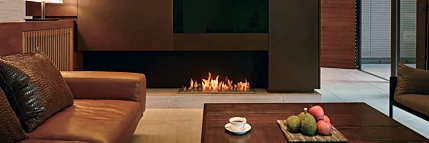
Indoor Fireplaces
Designed for maximum indoor flexibility
Complement any room with an eco-friendly ethanol indoor fireplace. EcoSmart Fire offer a premium bioethanol indoor fireplace range, with design integrity features at its core.
Indoor Ranges




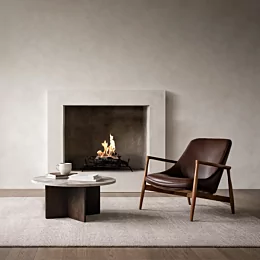
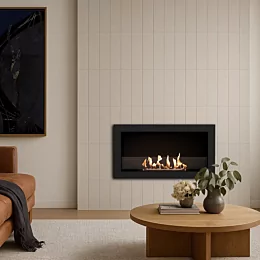

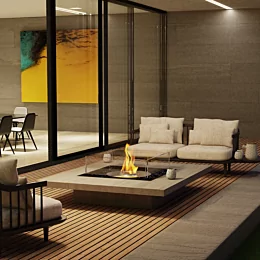

Models
Showing 18 items of 74
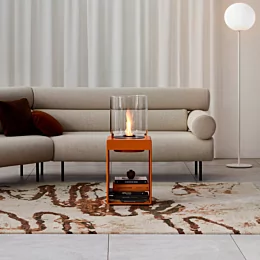
Sidecar 24 Fire Table · EcoSmart Fire
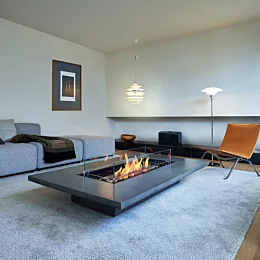
Chaser 38 Fire Table · EcoSmart Fire
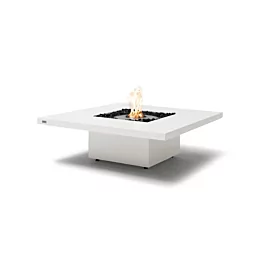
Base 30 Fire Table · EcoSmart Fire
Base 40 Fire Table · EcoSmart Fire
Ark 40 Fire Table · EcoSmart Fire
Mimosa 40 Fire Table · EcoSmart Fire
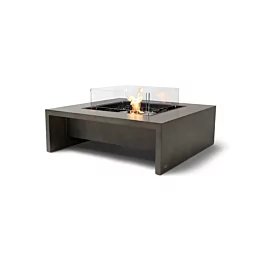
Mojito 40 Fire Table · EcoSmart Fire
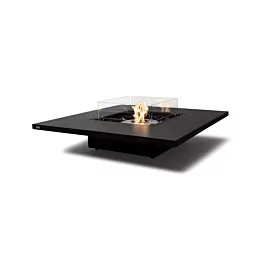
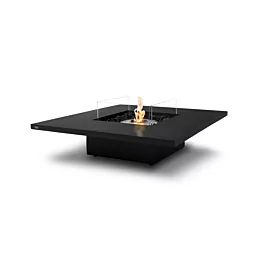
Vertigo 40L Fire Table · EcoSmart Fire
Vertigo 50VL Fire Table · EcoSmart Fire
Vertigo 50L Fire Table · EcoSmart Fire
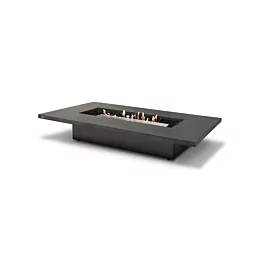
Daiquiri 70L Fire Table · EcoSmart Fire
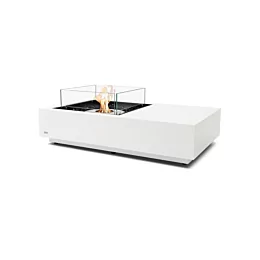
Manhattan 50 Fire Table · EcoSmart Fire
Martini 50 Fire Table · EcoSmart Fire
Cosmo 50 Fire Table · EcoSmart Fire
Wharf 65 Fire Table · EcoSmart Fire
Gin 90 Low Fire Table · EcoSmart Fire
Gin 90 Chat Fire Table · EcoSmart Fire
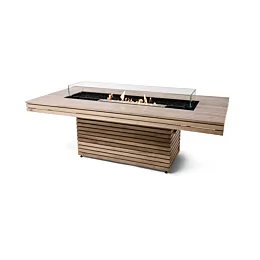
Gin 90 Dining Fire Table · EcoSmart Fire

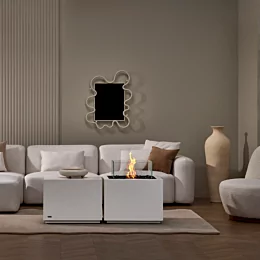
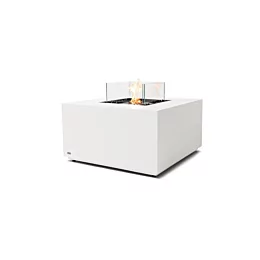
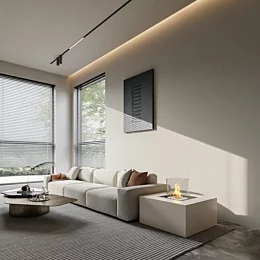

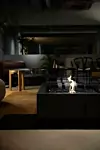
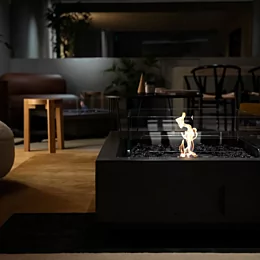
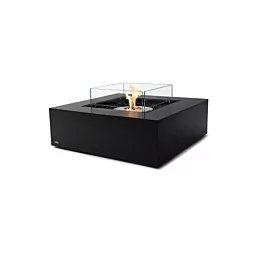

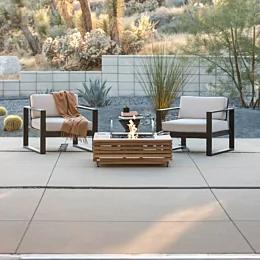
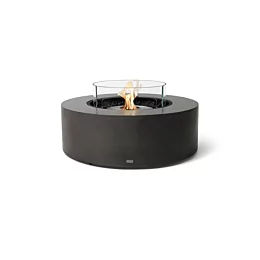
-outdoor-elegance-5531-screen.png)
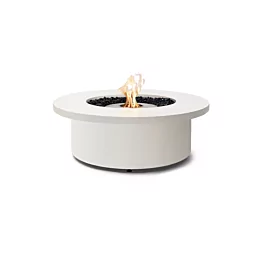
-outdoor-elegance-5531-screen.webp)

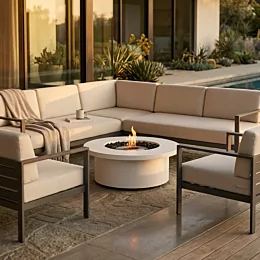

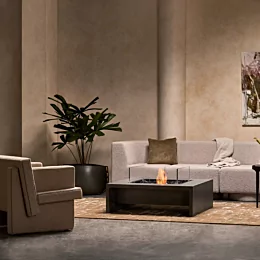

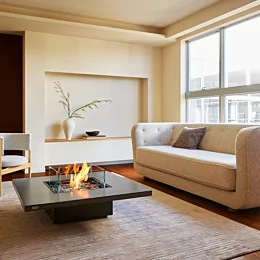
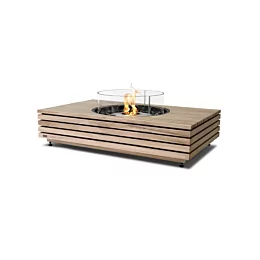

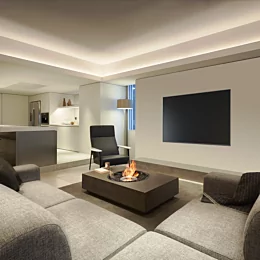
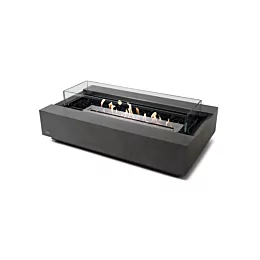
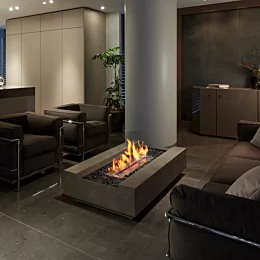
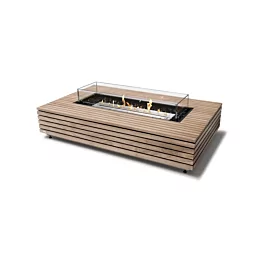

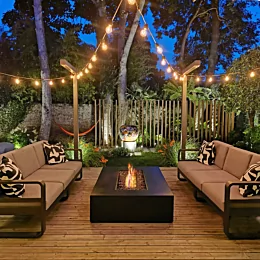
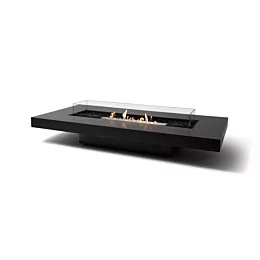
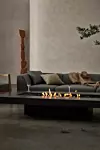
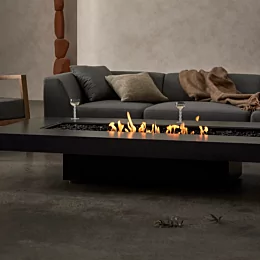
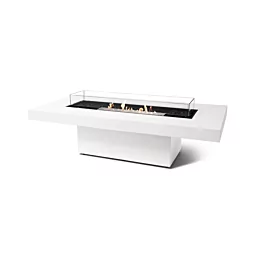

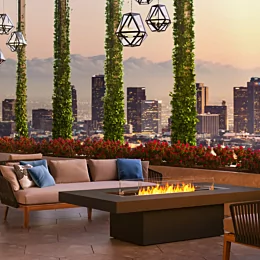
Loading image...
Clean-burning
Bioethanol produces no harmful emissions, just heat, steam and carbon dioxide which is re-absorbed by plants, this means no soot, no smoke, no ash and no mess.
Efficiency over 90%
No flue or chimney means that the heat generated by the fireplace during combustion isn’t lost up the chimney.
Loading image...
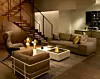
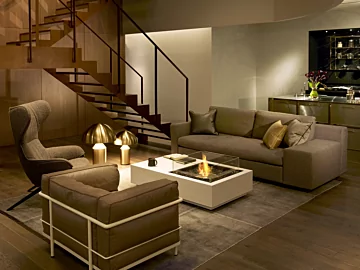
Freestanding models
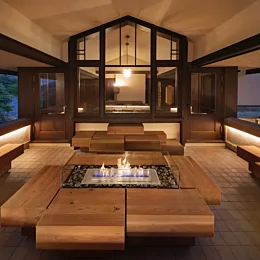
Cleverly refashioning the traditional fireplace concept into a piece of flexible fire furniture means that you can enjoy the simple pleasures of an open fire whenever and wherever you want it.
Loading image...
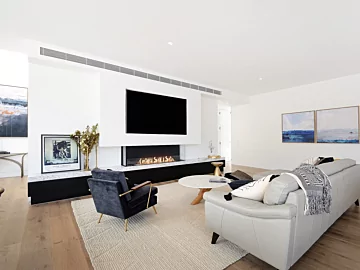
Built-in models
EcoSmart Fire has a design solution for custom-made, built-in fireplaces to fit countless design briefs, floor plans, indoor and outdoor spaces.


Loading image...
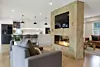
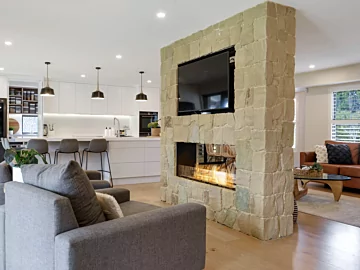
Installation flexibility
EcoSmart Fires can be incorporated at any stage of your interior decorating, renovating or building works.
Design freedom
No need for cabling, gas connecting, chimneys or flues provides creative freedom for homeowners and interior designers.
Loading image...
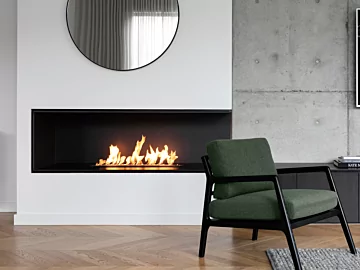
Add value to your property
The presence of a fireplace in your house increases the value of your home.
Loading image...

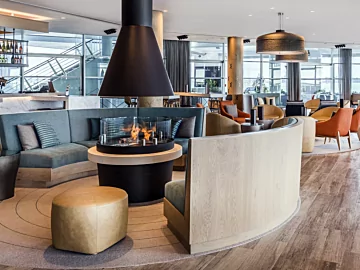
Thoroughly tested worldwide
Our collection has been thoroughly tested against a number of global standards and is O-TL Listed in accordance with UL 1370 in the USA, certified in accordance with EN16647 in Europe and the UK, and satisfies the ACCC Safety Mandate for Australia.
Styled by Our Clients
Loading image...
Loading image...
Loading image...
Loading image...
Loading image...
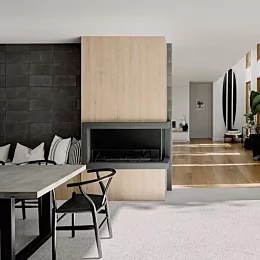
Loading image...
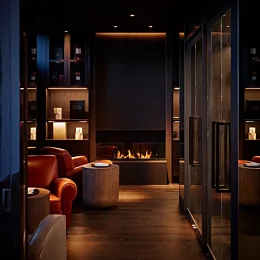
Loading image...
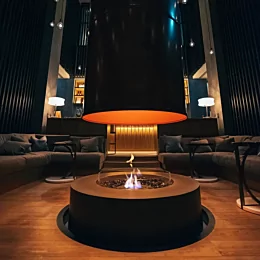
Loading image...
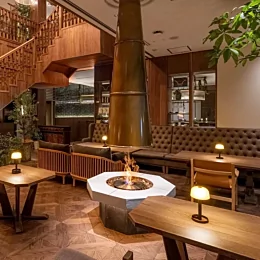
Loading image...
Related Collections
Learn More
Indoor Fireplaces
Indoor Fire Pits
Indoor Ethanol Fireplaces
FAQ's
Can ethanol fireplaces be installed anywhere?
Ethanol fireplaces can be installed almost anywhere, because the clean-burning flame needs no chimney, gas line, or electrical connection. Indoors, outdoors, in apartments, heritage spaces, and mid-renovation projects all qualify.
The primary requirement is a level, stable, non-combustible surface (concrete, tile, brick, or stone) with a minimum 12.5 mm [0.5 in] air gap beneath. Per EcoSmart Fire's installation guidelines, wall materials within 600 mm [23.6 in] of the flame must be non-combustible, and overhead clearance to moveable objects must reach at least 2,000 mm [78.7 in].
The only settings that fall outside this range are bathrooms and enclosed spaces too small to meet the minimum room volume for the chosen burner.
Why can't gas or propane fire pits be used indoors?
A portable fire pit running on gas or propane is engineered for outdoor use because the combustion process produces nitrogen oxides that require open-air ventilation to disperse properly. At the high BTU outputs gas configurations deliver, those byproducts need the free circulation only an outdoor setting provides. Every gas-configured EcoSmart Fire product carries an outdoor-only rating for exactly this reason.
Bioethanol is a different fuel chemistry. A properly engineered bioethanol burner achieves complete combustion, producing only heat, water vapour, and a small amount of CO₂, with no smoke, soot, or flue infrastructure required. This is why EcoSmart Fire's bioethanol indoor fire bowl and contemporary fire feature configurations carry UL 1370 (USA) and EN 16647 BSI (Europe/UK) certification for indoor use with natural ventilation.
The indoor/outdoor split reflects fuel chemistry: gas and propane deliver enhanced heat for open-air entertaining; bioethanol delivers a real decorative flame for indoor living, with no structural modifications required.
Can indoor ethanol fireplaces be installed during renovation versus new construction?
Yes, indoor ethanol fireplaces are equally suited to renovation and new construction projects thanks to their clean-burning, zero-clearance design that requires no chimney, gas line, or venting infrastructure. This vent-free architecture eliminates the structural and mechanical constraints that traditionally locked fireplaces into new-build scenarios.
The flexibility comes from the freestanding versus built-in choice you can make on any project timeline. Freestanding models deploy in 1-5 hours with no framework preparation, making them ideal for renovation work where structural modifications are impractical or costly. Built-in configurations integrate into finished walls or cabinetry, offering the same ventless simplicity with seamless integration, equally viable during construction or renovation phases. Both require only a self-supporting framework opening above the appliance; there is no load-bearing requirement.
EcoSmart Fire positions its range as "ideal for new construction and remodel" precisely because the technology itself is timing-agnostic. Whether you're installing during rough-in framing or mid-renovation, you're not constrained by chimney runs, gas routing, or HVAC modifications. This removes approximately 80% of the structural and trade coordination overhead you'd face with traditional fireplaces, accelerating schedules and reducing costs across both scenarios.
The real decision on renovation versus new build is architectural: how you want the fireplace to appear and function within the finished space, not whether you can install it at all.
Can indoor fire pits be used year-round?
Yes, EcoSmart Fire's freestanding or built-in bioethanol fire pits perform consistently indoors year-round without seasonal limitations. Unlike traditional fireplaces that depend on external venting and seasonal installation, bioethanol systems produce only heat, steam, and CO2, with all combustion managed safely via natural ventilation in rooms meeting EN 16647 specifications.
Your fire pit delivers the same ambience and warmth whether you're using it for summer aesthetics or cooler-month supplementary heating. Burn times stay consistent at 6 to 10 hours per fill. Freestanding models can be repositioned seasonally if your interior layout shifts.
EcoSmart Fire's systems are engineered for consistent indoor performance, backed by EN 16647 certification and over 20 years of global installations.
What is the difference between bioethanol and traditional fireplaces?
Bioethanol fireplaces are fundamentally different from wood-burning and gas fireplaces in how they operate and integrate into your home. Bioethanol burns liquid fuel in a self-contained burner, requiring no chimney, flue, or utility connection, whereas traditional fireplaces need either a functioning chimney or gas line and professional installation.
The practical differences stack in bioethanol's favour. There's no smoke, soot, ash, or carbon monoxide to manage, and you ignite or extinguish the flame in seconds. EcoSmart Fire bioethanol burners deliver over 90% heat efficiency because the warmth stays in the room rather than escaping up a flue, which is where most of a traditional open fireplace's heat is lost. Because they're ventless, bioethanol fireplaces can be integrated into walls, cabinetry, media benches, or floating timber designs without structural constraints; traditional fireplaces lock you into one location determined by chimney placement.
Bioethanol fireplaces are certified to recognised ventless appliance standards and designed as decorative and supplemental heat sources. They give you real flame and genuine warmth with complete design freedom, making them the choice when you want a fireplace feature without the infrastructure and inflexibility of traditional options.
How do indoor ethanol fireplaces compare to electric fireplaces in running costs?
EcoSmart Fire's bioethanol fireplaces produce a clean-burning flame at a higher per-hour fuel cost than electric; electric fireplaces have lower running costs, but the two technologies serve different needs.
Flame-only mode on an electric fireplace costs roughly $0.01–$0.02 per hour; full heating mode (1,500–3,000W) runs $0.10–$0.24 per hour at typical electricity rates. Ethanol fireplaces have a higher per-hour fuel cost, varying by region and burner size (from smaller AB3 to larger AB8 options). Both operate at high efficiency: EcoSmart Fire bioethanol fireplaces convert over 90% of fuel to usable heat, retained in the room rather than lost through a flue.
The practical difference is in what you get for the spend. Electric fireplaces provide supplementary warmth in smaller spaces with precise control and low operational cost. Ethanol fireplaces deliver a genuine real flame, the sensory and visual quality of which cannot be replicated, along with placement flexibility that requires no gas line, chimney, or structural modification.
Consider total cost of ownership: with no HVAC modifications, specialist installation, or infrastructure investment required, ethanol ownership costs are more straightforward than a per-hour fuel comparison suggests. Installation savings and the enduring appeal of real flame make the fuel premium easy to justify for those prioritising atmosphere and design freedom.
Can you get real flames indoors without smoke or a chimney?
Yes, bioethanol fireplaces produce real flames indoors without smoke, ash, or the need for a chimney or flue. When bioethanol burns, it creates only heat, water vapour, and a small amount of carbon dioxide, with no soot, no residue, no complex ventilation infrastructure.
Without a flue, the design possibilities open up dramatically. Architects and homeowners can place bioethanol fireplaces anywhere: as linear installations across walls, statement surrounds in island kitchens, double-sided dividers between rooms, or zero-clearance inserts recessed into cabinetry. The flame becomes a sculptural focal point rather than a structural constraint.
EcoSmart Fire's bioethanol fireplaces sustain a real, orange flame while maintaining indoor air quality. The burner families (AB, XL) deliver consistent flame performance. Because there's no chimney requirement, installation is straightforward, with no structural engineering, no coordination with flue contractors, only design freedom.
How much ventilation is required for an indoor ethanol fireplace?
EcoSmart Fire's clean-burning bioethanol fireplaces require a minimum room volume based on burner size, ensuring safe combustion and proper dispersal of byproducts. Smaller burners like the AB3 require at least 40 m³ [1,413 ft³], while larger models such as the XL900 need 110 m³ [3,885 ft³] and the AB8 requires 116 m³ [4,097 ft³].
Bioethanol combustion consumes oxygen from the room and releases heat, steam, and carbon dioxide. Adequate room volume allows these byproducts to disperse naturally without accumulating to unsafe levels. The specific volume thresholds are verified against international safety standards: UL 1370 (USA), EN 16647 (Europe/UK), and ACCC certification (Australia).
To size your space correctly, measure your room length, width, and height to calculate cubic metres, then match your intended burner size to its corresponding minimum volume. Most standard living rooms, dining areas, and larger bedrooms easily meet these requirements; your installer or product documentation will confirm the specific threshold for your chosen burner.
What is the difference between the Flex, Heritage, and Frame indoor fireplace ranges?
EcoSmart Fire's three ranges each embody a distinct design philosophy: Flex offers maximum customisation and flexibility, Heritage reimagines classic hearth aesthetics for modern spaces, and Frame presents an architectural statement piece with premium engineering.
Flex is the most adaptable range, with eight installation configurations across 96 models. It suits any room scale from compact apartments to large living areas. The minimalist contemporary design integrates into modern interiors, and each unit can be framed into a wall with optional decorative boxes for a fully customised look. This is the range for buyers who prioritise design flexibility and want their fireplace to match their specific vision.
Heritage speaks to those drawn to classic aesthetics. With an iron grate, fire-rated ceramic logs, and a substantial hearth presence, it brings nostalgia-inspired design into today's homes. It's the most compact of the three ranges, making it ideal for smaller rooms and high-rise apartments where a bold focal point doesn't require a large footprint.
Frame is engineered as an architectural centrepiece with a signature protruding steel border. Built with zinc-sealed mild steel and a Grade 304 stainless steel burner, it delivers a premium, commanding presence. The toughened low-iron glass and engineered finish suit buyers seeking a statement piece and retrofit-friendly installation for existing homes and urban apartments.
All three deliver clean-burning bioethanol flame with zero-clearance construction, no chimney required, and certified safety performance across international standards.
Do indoor fireplaces add value to your home?
Yes, indoor fireplaces add tangible value to your home. EcoSmart Fire's contemporary bioethanol fireplaces, including linear design installations, command particular appeal in premium property markets, where design-forward features distinguish a home from the competition.
Unlike traditional fireplaces, EcoSmart Fire bioethanol models function as architectural focal points. The clean-burning flame and freedom to install in any room make these fireplaces compelling to design-conscious buyers seeking contemporary aesthetics merged with practical warmth. A striking focal point becomes a reason to linger in a space; in property markets, memorable features justify premium pricing.
The range's design flexibility, from minimalist linear installations to Art Deco and contemporary directions, means the fireplace adapts to your home's aesthetic rather than imposing one. This appeals to buyers who increasingly view sustainable, ventless heating as an expectation in luxury properties. With over 90% combustion efficiency and clean-burning performance, bioethanol fireplaces signal aesthetic sophistication and environmental stewardship, strengthening buyer confidence and property appeal.